Travel guides
Inspiration, the best time to visit and what to do in Latin America’s favorite destinations.
Mexico
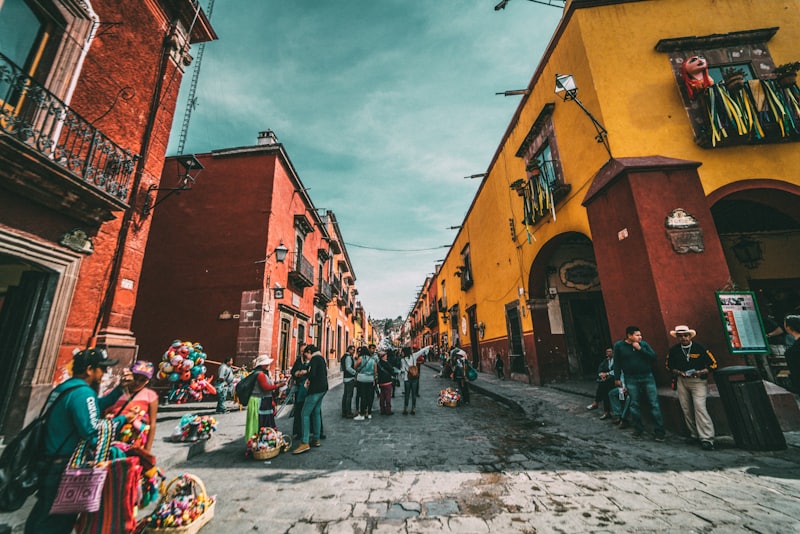
Mexico City dazzles with Aztec and colonial history, top museums and a UNESCO-listed food culture.
See guide →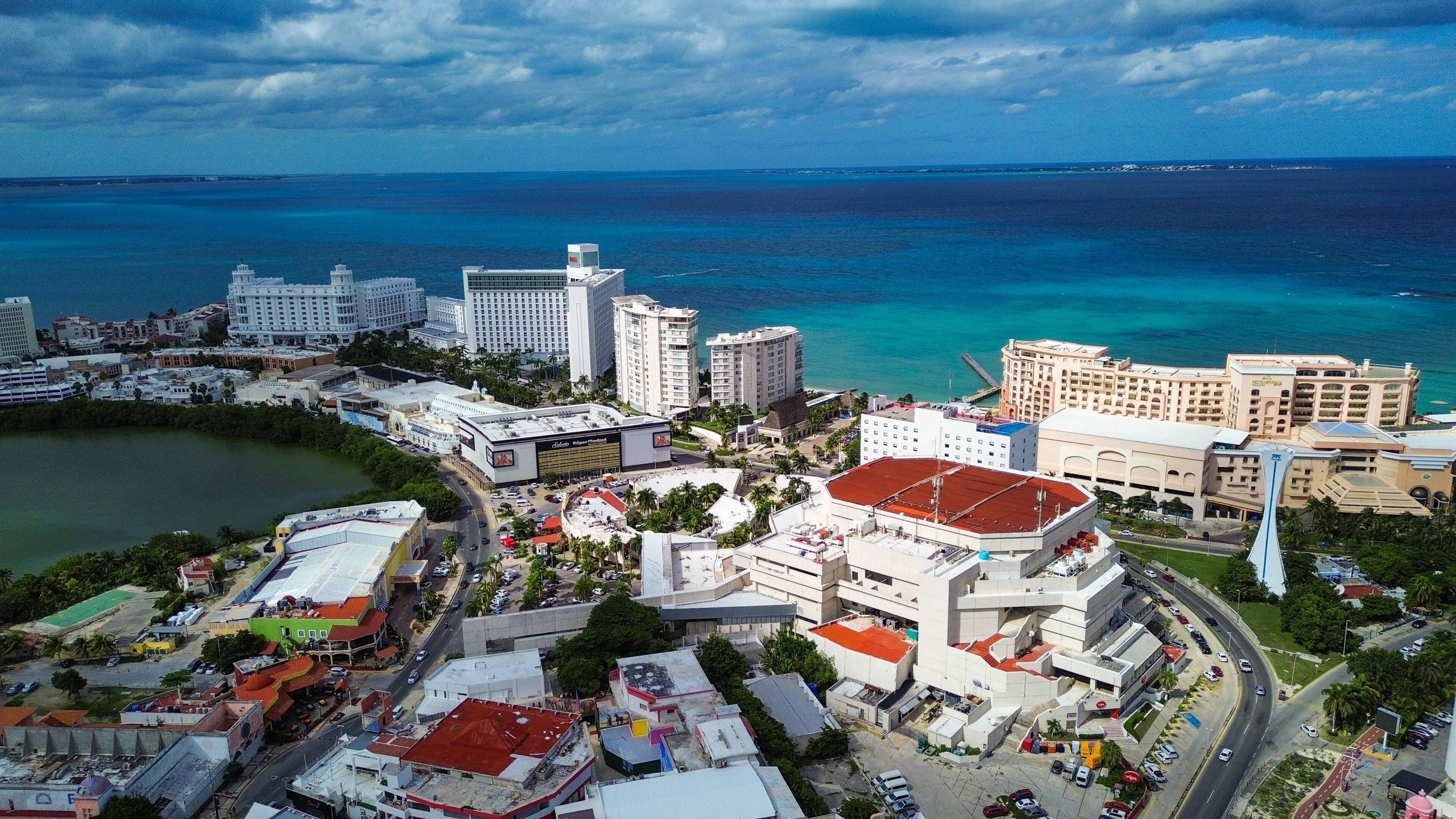
Cancún is the gateway to the Mexican Caribbean: white-sand beaches, cenotes and nearby Maya ruins.
See guide →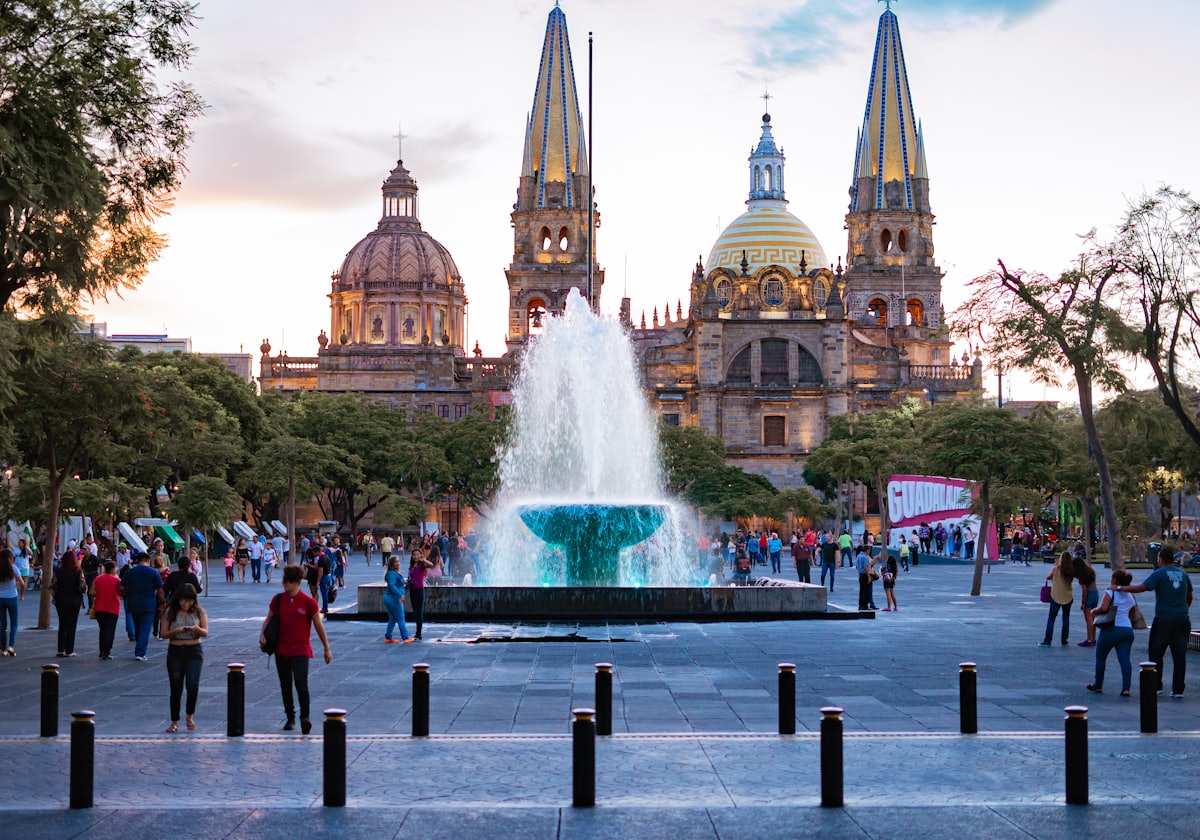
Guadalajara is the birthplace of mariachi and tequila, with a colonial historic center and rich culture.
See guide →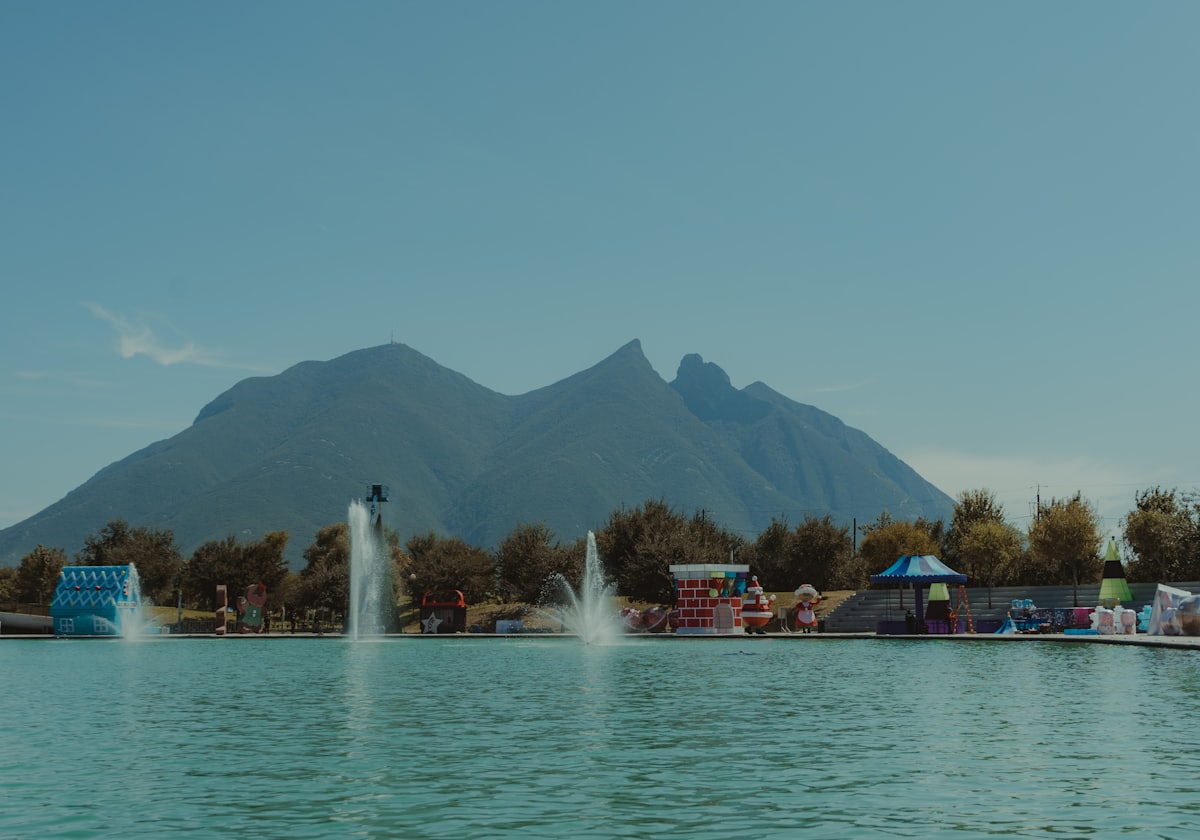
Monterrey is Mexico’s industrial capital, ringed by dramatic mountains like Cerro de la Silla.
See guide →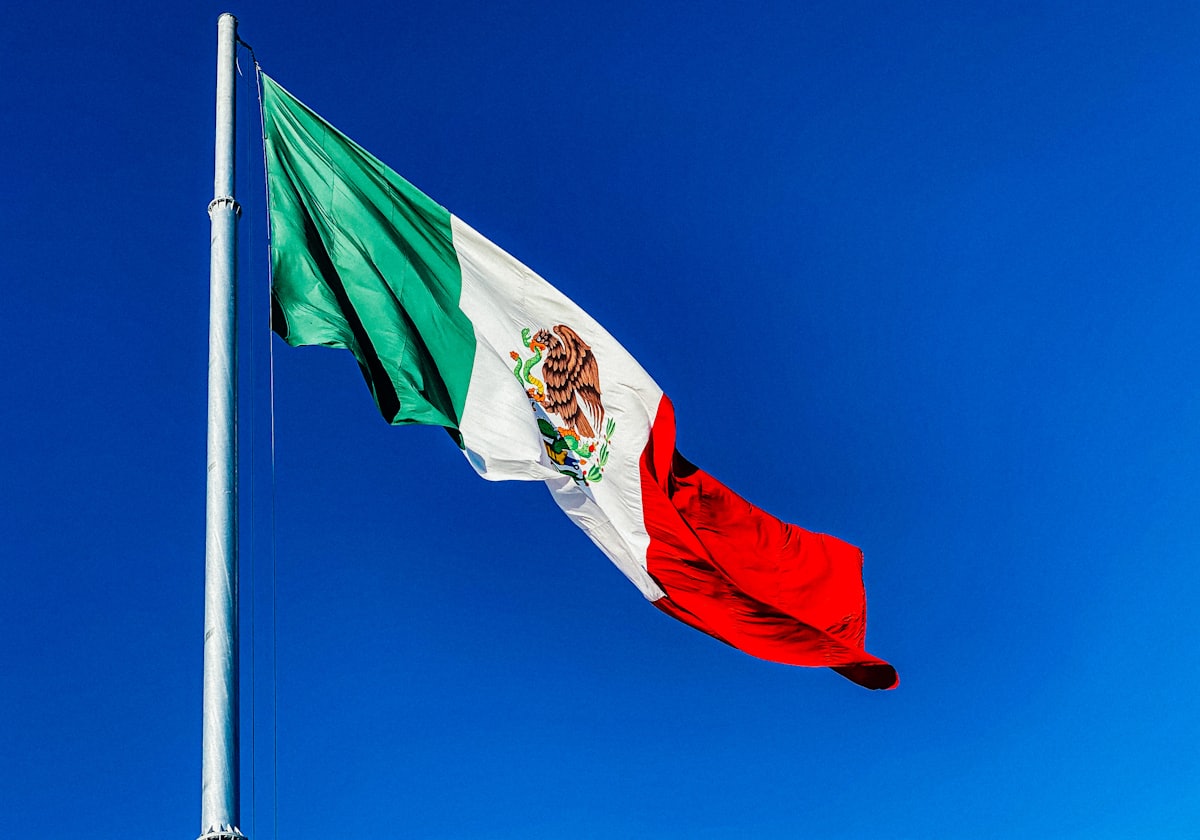
Tijuana surprises with a top-tier food and craft-beer scene, steps from wine country.
See guide →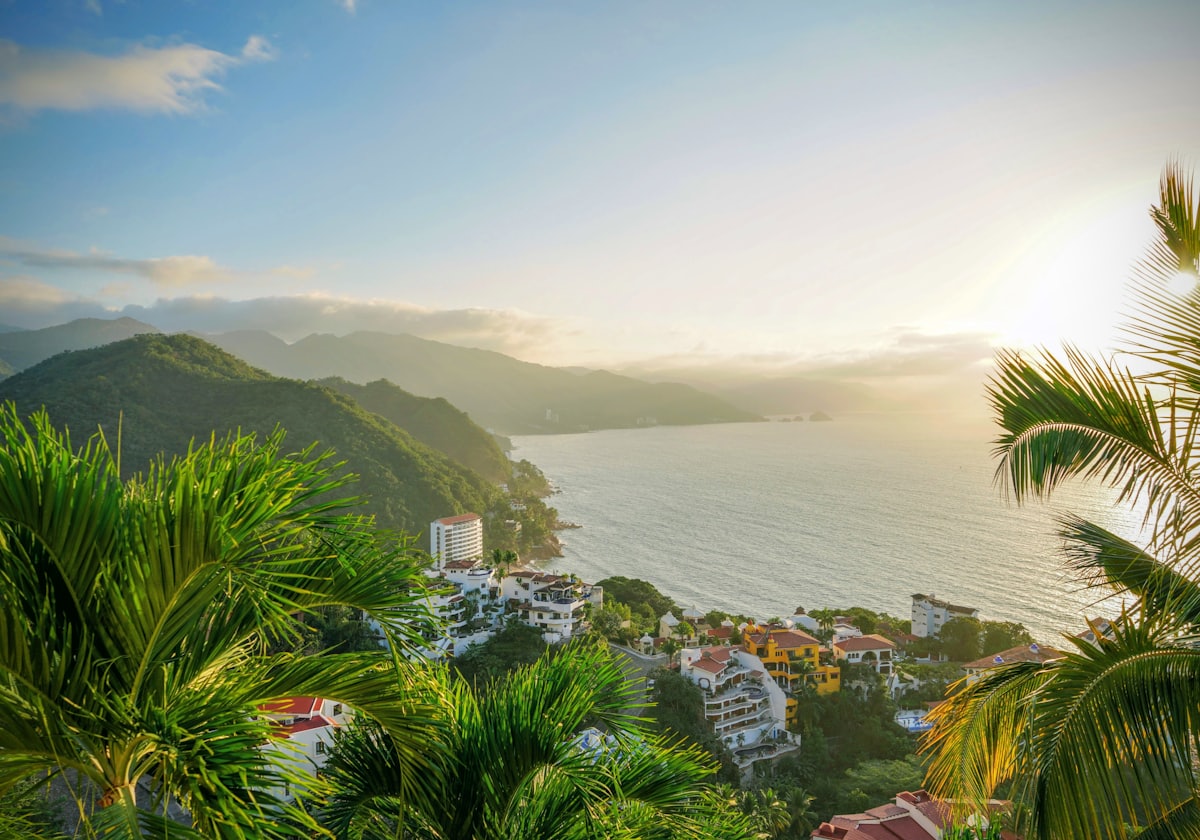
Puerto Vallarta blends Pacific beaches, a charming boardwalk and the Jalisco sierra.
See guide →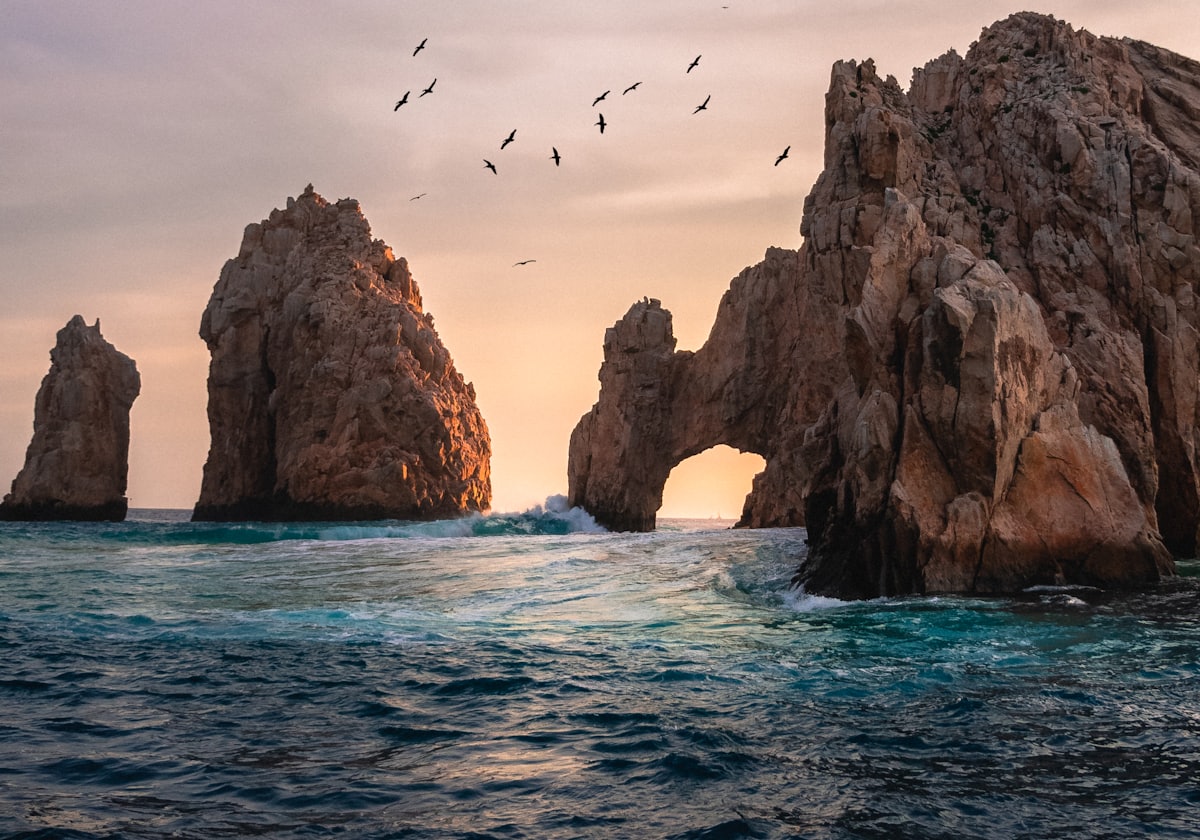
Los Cabos, at the tip of Baja California, offers stunning beaches, golf and the iconic Arch.
See guide →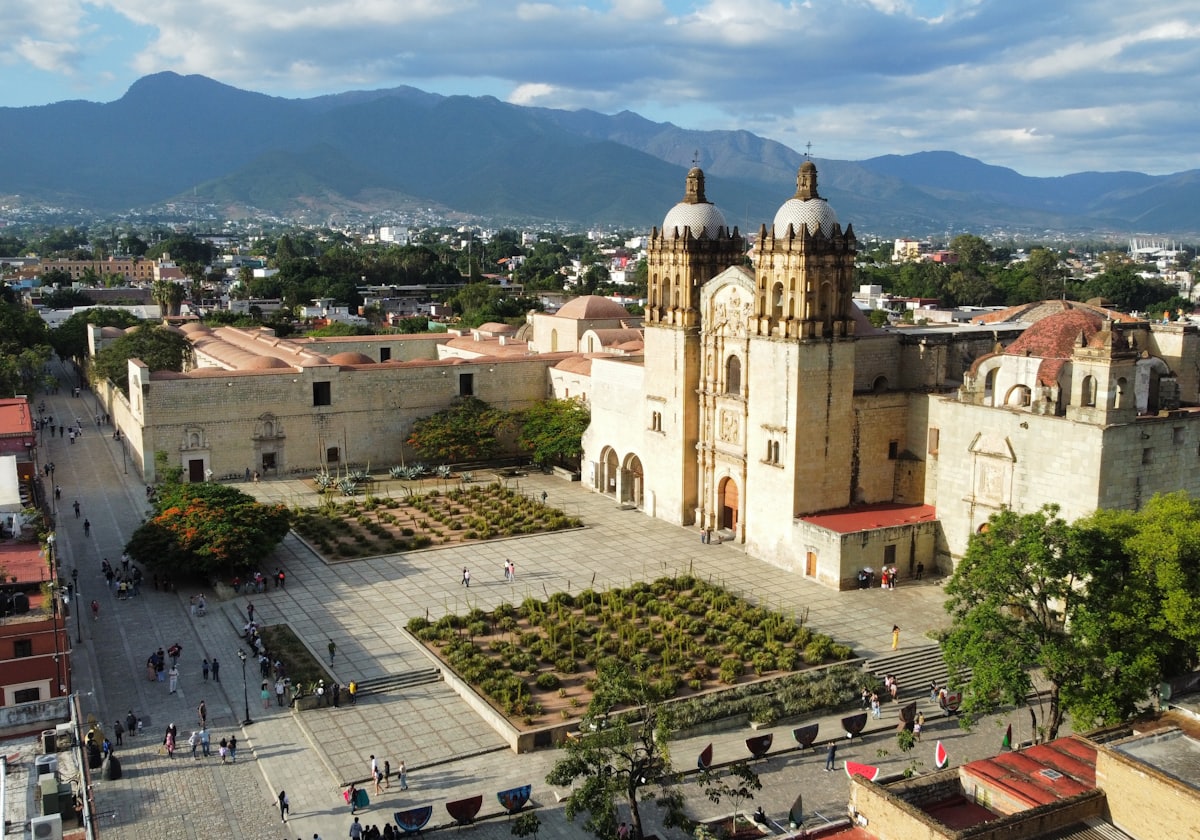
Oaxaca is a cultural treasure of Mexico: mezcal, heritage cuisine, art and Zapotec ruins.
See guide →
Mérida, the “White City”, is the cultural capital of Yucatán: colonial architecture, Maya cuisine and an ideal base for exploring cenotes and ruins.
See guide →Central America

Panama City blends modern skyscrapers, the historic Casco Viejo and the famous Panama Canal, all beside the Pacific.
See guide →
San José, Costa Rica’s capital, mixes theaters and museums with a vibrant food scene and is the gateway to volcanoes, jungles and beaches.
See guide →
Guatemala City, Central America’s largest capital, combines a historic center, museums and modern commercial districts, and is the gateway to Antigua and Lake Atitlán.
See guide →
San Salvador, El Salvador’s capital, offers nearby volcanoes, markets and a growing scene, and is the base for surf beaches and the Ruta de las Flores.
See guide →
San Pedro Sula is Honduras’s main industrial and commercial hub, serving as the gateway to the Maya ruins of Copán and the Caribbean coast.
See guide →
Managua, Nicaragua’s capital, spreads along Lake Xolotlán and serves as the gateway to colonial Granada, León, the volcanoes and Ometepe Island.
See guide →The Caribbean
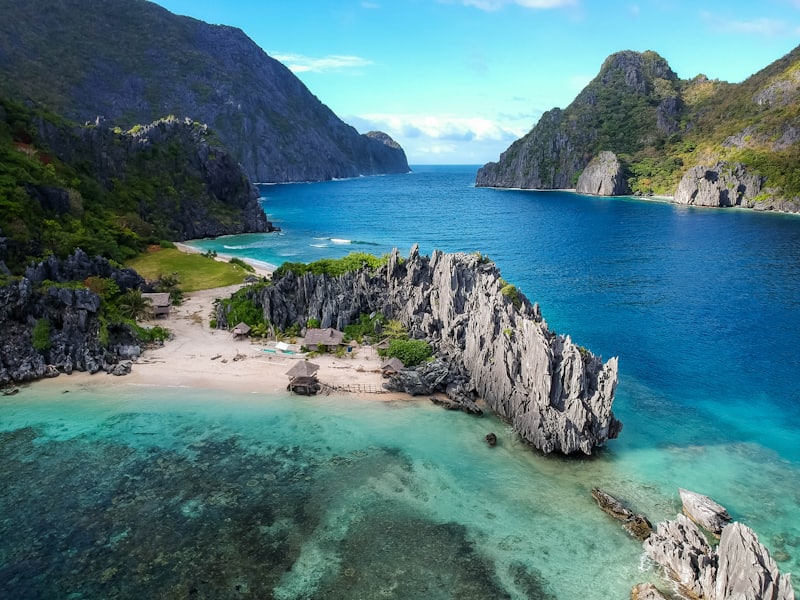
Punta Cana is the Caribbean capital of all-inclusive resorts, with miles of white-sand beaches in Bávaro and turquoise water.
See guide →
Santo Domingo is the Dominican capital and home to the Zona Colonial, the first European city in the Americas and a UNESCO World Heritage Site.
See guide →
Havana captivates with the colonial architecture of Habana Vieja, the seafront Malecón and its iconic classic American cars.
See guide →
San Juan blends colonial Old San Juan with its cobblestone streets and forts like El Morro, the El Yunque rainforest and city beaches.
See guide →South America
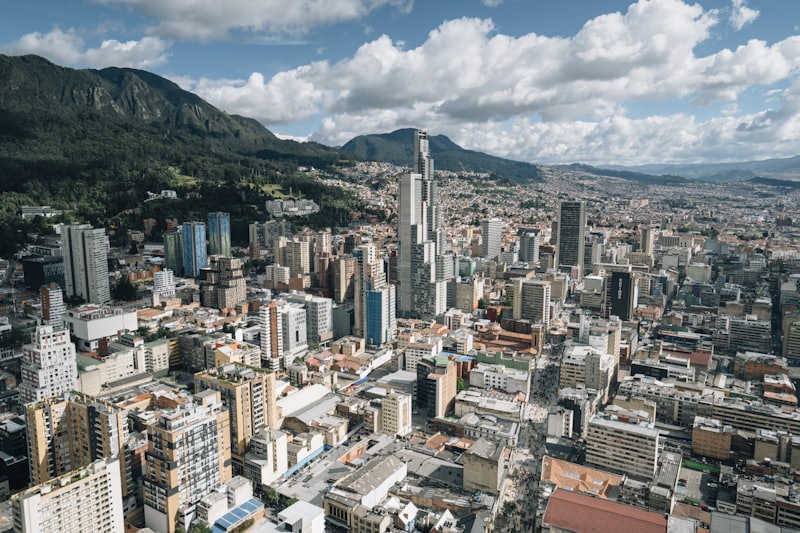
Bogotá, Colombia’s capital, blends a colonial old town with a vibrant cultural scene at 2,640 m above sea level.
See guide →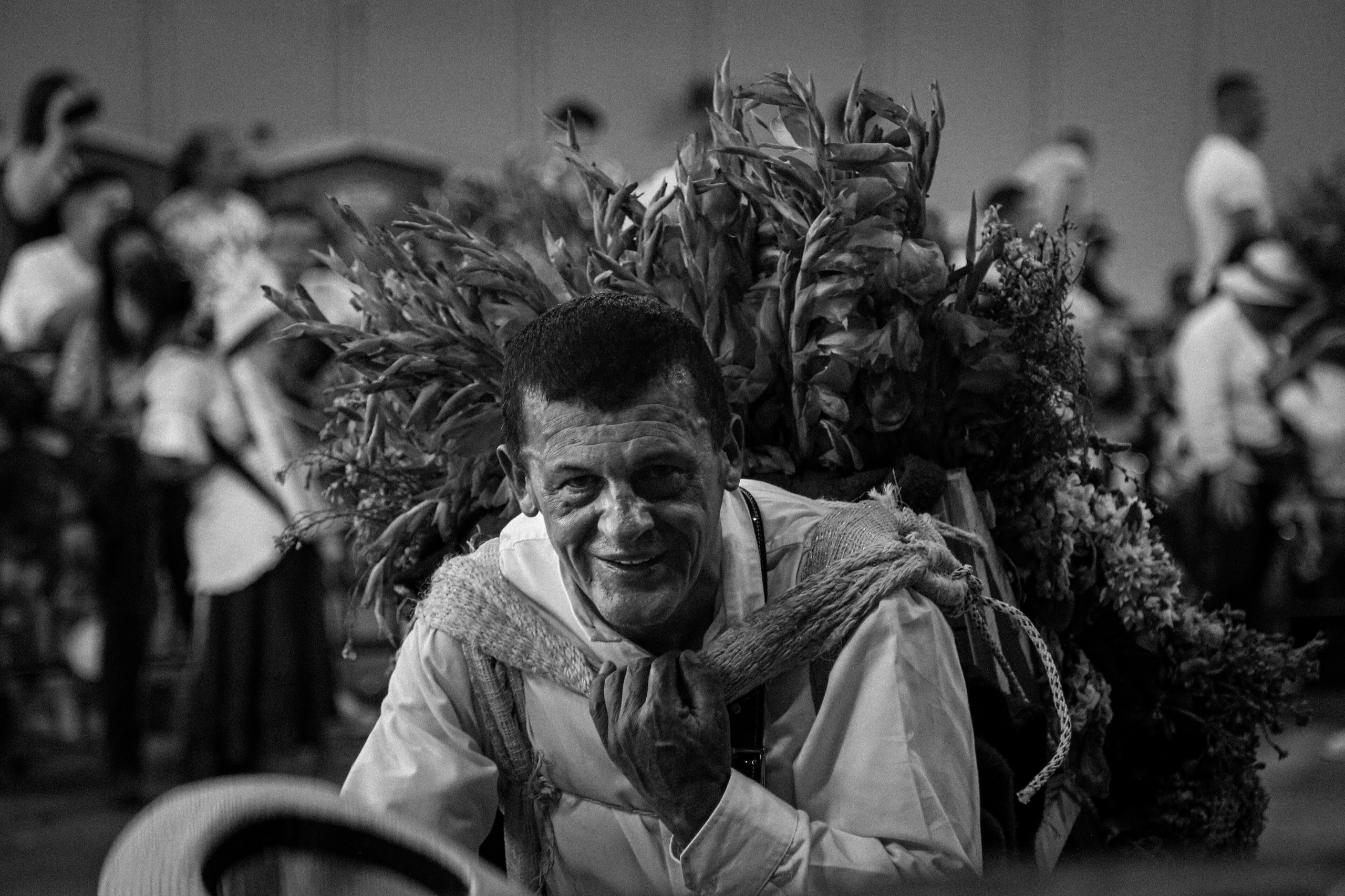
Known as the “city of eternal spring,” Medellín is famous for its mild climate and urban innovation.
See guide →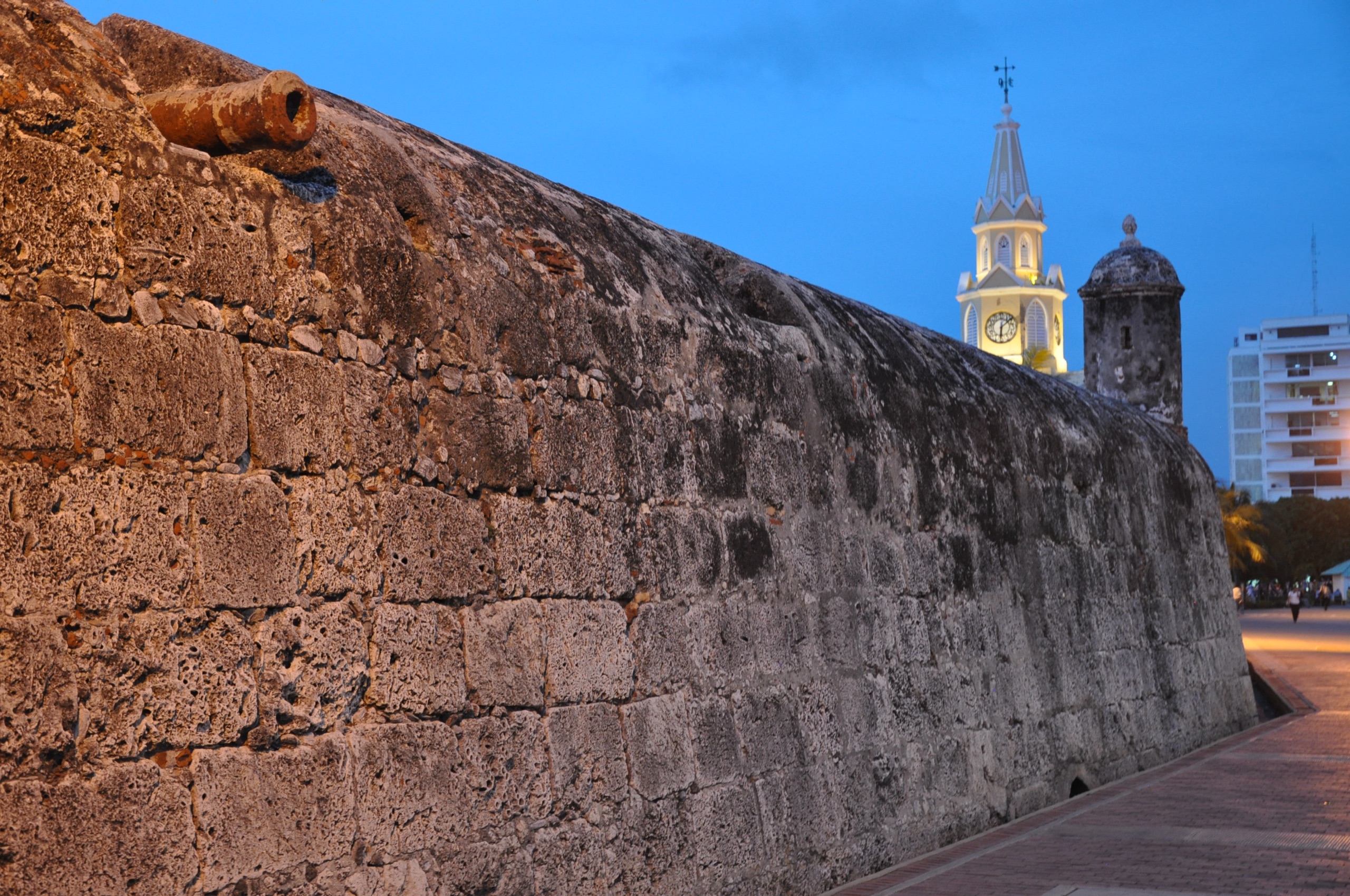
Cartagena pairs a walled colonial old town with Caribbean beaches and lively nightlife.
See guide →
Cali, the world salsa capital, charms with its warm climate, lively people and nights of dancing.
See guide →
Barranquilla, Colombia’s “Golden Gate,” is home to its UNESCO-listed Carnival and the birthplace of Shakira.
See guide →
Santa Marta, Colombia’s oldest surviving city, is the gateway to Tayrona National Park and the Lost City.
See guide →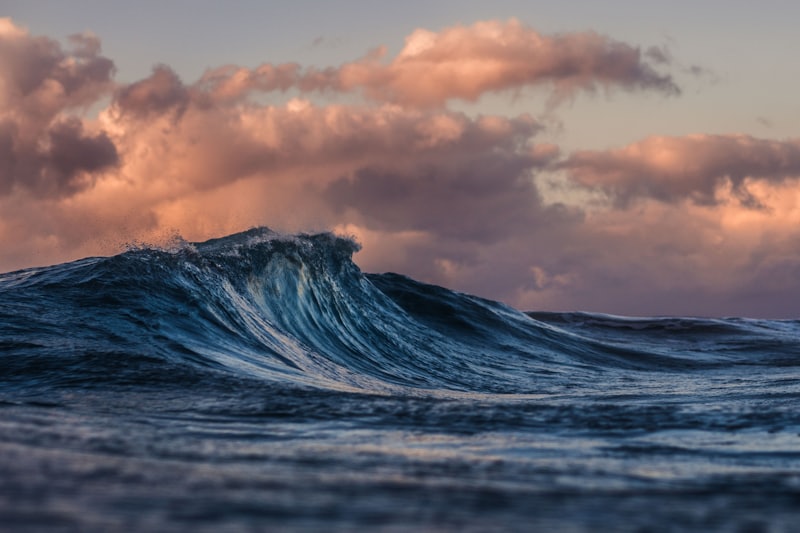
San Andrés is a Colombian Caribbean island famous for its “sea of seven colors,” its beaches and its duty-free shopping.
See guide →
Caracas is the capital of Venezuela, set in a valley at the foot of the towering El Ávila mountain that separates it from the Caribbean Sea.
See guide →
Quito, Ecuador’s capital at 2,850 m, preserves the best-kept historic center in the Americas, a UNESCO World Heritage Site.
See guide →
Guayaquil, Ecuador’s largest port, is a warm city on the Guayas River and the main gateway to the Galápagos.
See guide →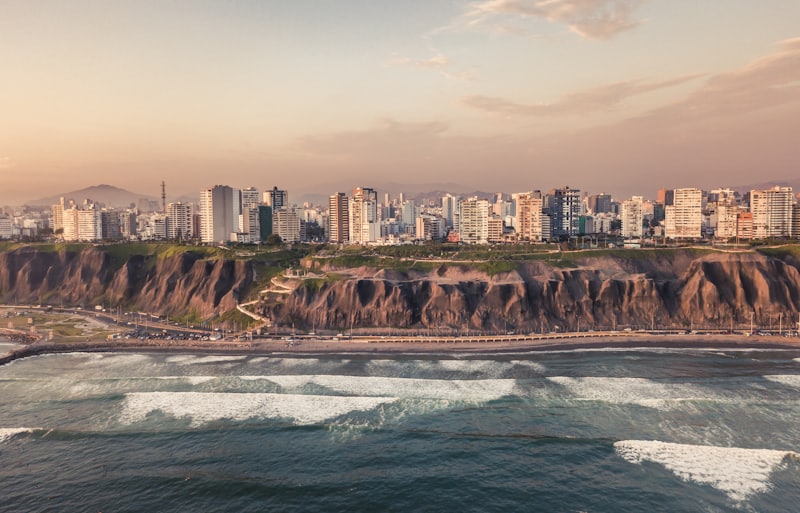
Lima is Latin America’s culinary capital, with world-class cuisine on the Pacific coast.
See guide →
Cusco, the former Inca capital at 3,400 m, is the gateway to Machu Picchu and the Sacred Valley.
See guide →
La Paz, the world’s highest seat of government, spills across an Andean canyon, with El Alto above 4,000 m and a spectacular cable-car network.
See guide →
Asunción, Paraguay’s riverside capital, is one of South America’s most affordable cities, with a colonial-flavored historic center.
See guide →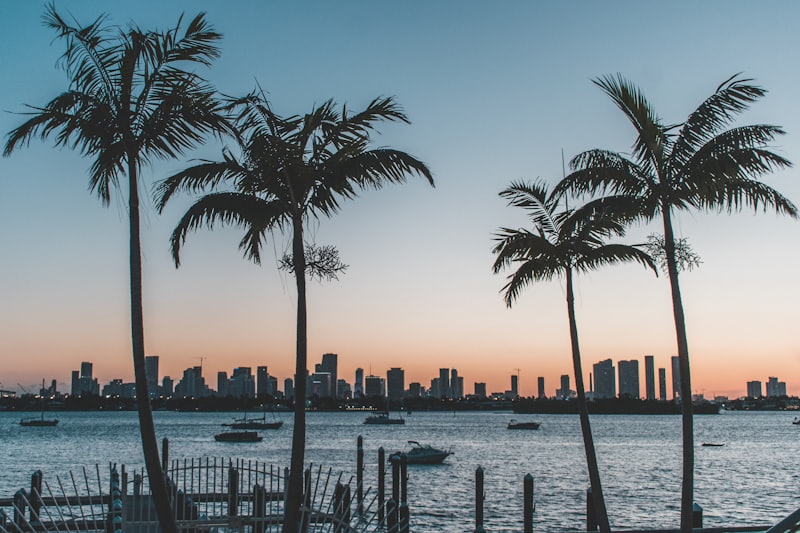
Santiago sits at the foot of the Andes, surrounded by vineyards and close to both coast and snow.
See guide →
Montevideo, Uruguay’s laid-back capital, pairs a long coastal rambla with the Ciudad Vieja old town and a deep asado culture.
See guide →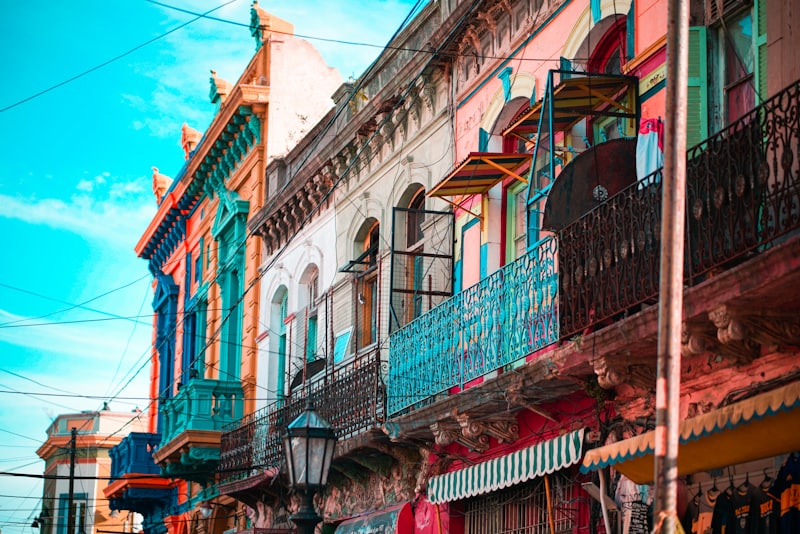
Buenos Aires charms with its European air, tango, steakhouses and an intense cultural life.
See guide →
Mendoza, Argentina’s wine capital, spreads at the foot of the Andes and Aconcagua, ringed by Malbec wineries.
See guide →
Córdoba, Argentina’s second city and a lively university town, preserves the colonial Jesuit Block, a UNESCO World Heritage Site.
See guide →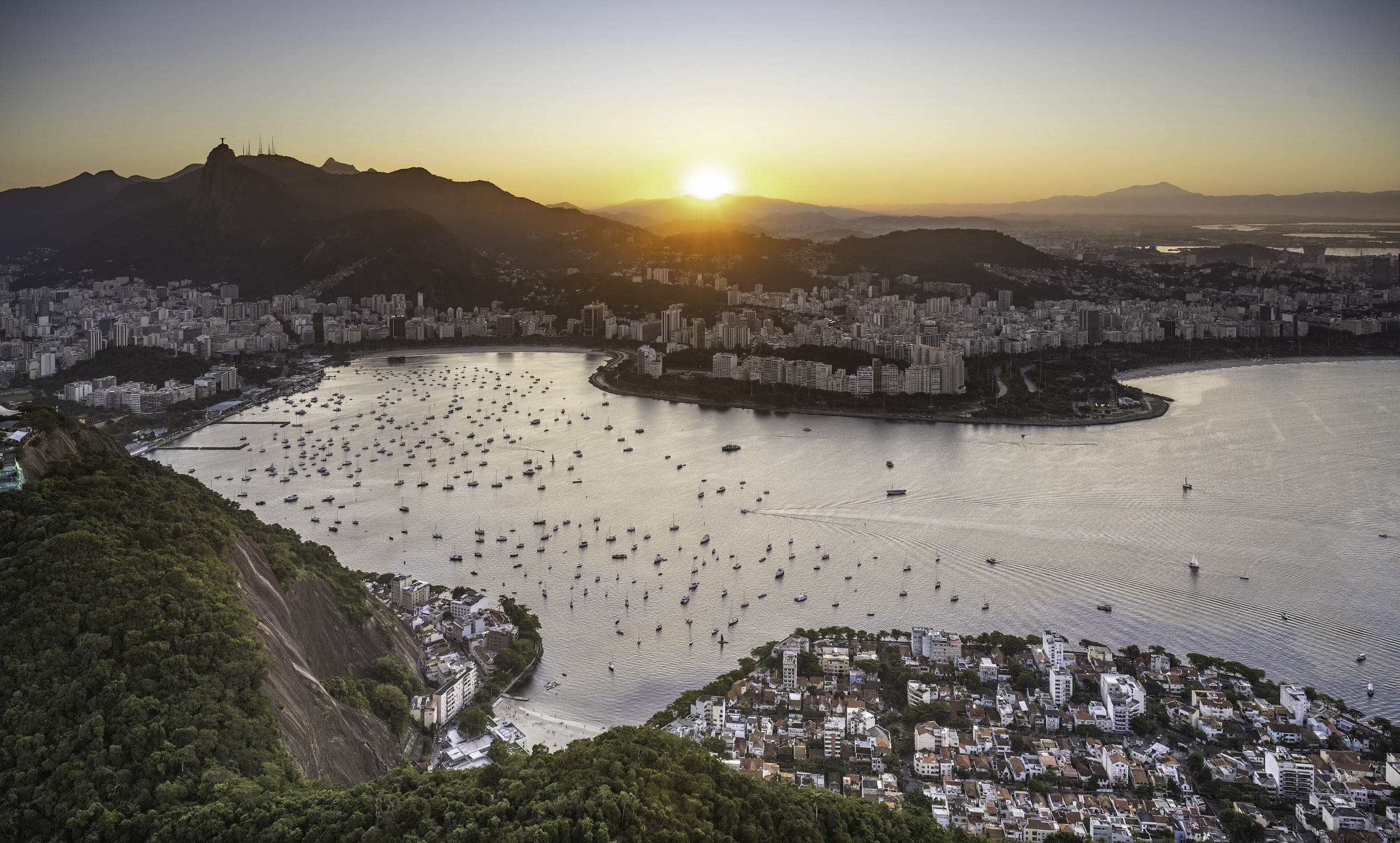
Rio de Janeiro dazzles with legendary beaches, jungle-clad mountains and contagious energy.
See guide →
São Paulo is Latin America’s largest city, a financial and cultural hub with an endless food and nightlife scene.
See guide →
Salvador is the heart of Afro-Brazilian culture, with its Pelourinho colonial center, capoeira, axé music and warm-water beaches.
See guide →
Brasília is the country’s planned modernist capital, famous for Oscar Niemeyer’s architecture and its UNESCO-listed Eixo Monumental.
See guide →
Florianópolis is an island with more than 40 beaches, surf, nature and the Azorean heritage of Santo Antônio de Lisboa.
See guide →
Foz do Iguaçu is home to the Brazilian side of the Iguaçu Falls, one of the world’s natural wonders, on the triple border with Argentina and Paraguay.
See guide →
Recife, the “Brazilian Venice” of rivers and bridges, blends the historic Recife Antigo with Boa Viagem beach and nearby colonial Olinda.
See guide →Spain
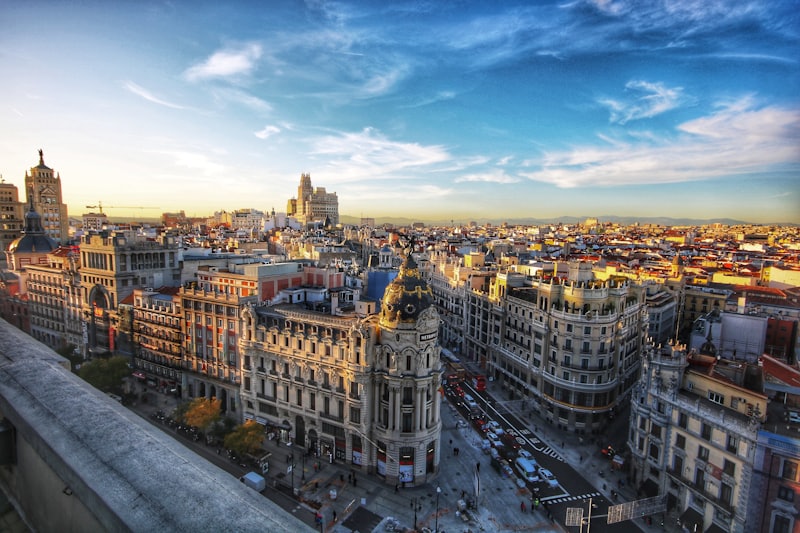
Madrid, Spain’s capital, offers world-class art museums, historic parks and legendary nightlife.
See guide →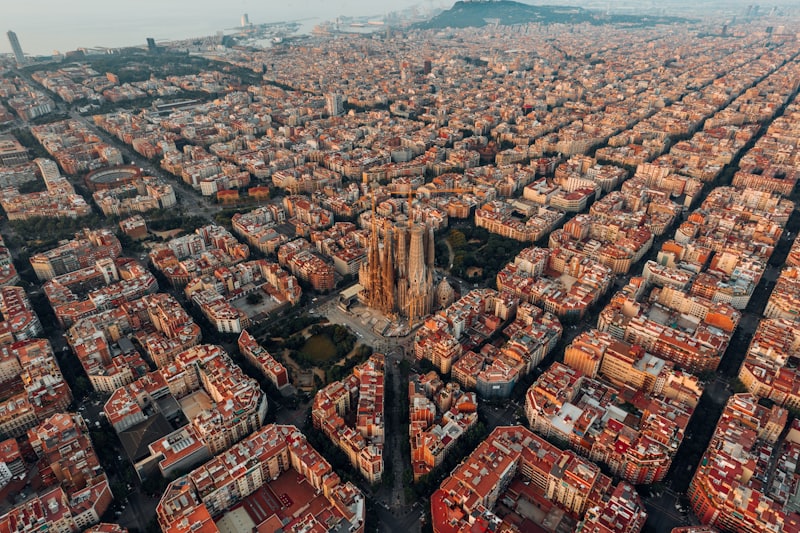
Barcelona blends Gaudí’s modernist architecture with Mediterranean beaches and outstanding food.
See guide →
Seville is the capital of Andalusia, the birthplace of flamenco and famous for its Real Alcázar, its Gothic cathedral and the atmosphere of its neighborhoods along the Guadalquivir river.
See guide →
Valencia blends history and modernity: the futuristic City of Arts and Sciences, a medieval old town and Mediterranean beaches, and it is the birthplace of paella.
See guide →
Málaga, on the Costa del Sol, is Picasso’s birthplace and combines city beaches, a historic Alcazaba and a lively center, while also being the gateway to Granada and Córdoba.
See guide →
Palma de Mallorca is the capital of the Balearic Islands, a Mediterranean island with the imposing La Seu cathedral, turquoise coves and the Serra de Tramuntana, a UNESCO World Heritage Site.
See guide →
Bilbao, in the Basque Country, was transformed by the Guggenheim Museum and combines avant-garde architecture with the charm of its Casco Viejo and one of Spain’s best pintxo cultures.
See guide →The world
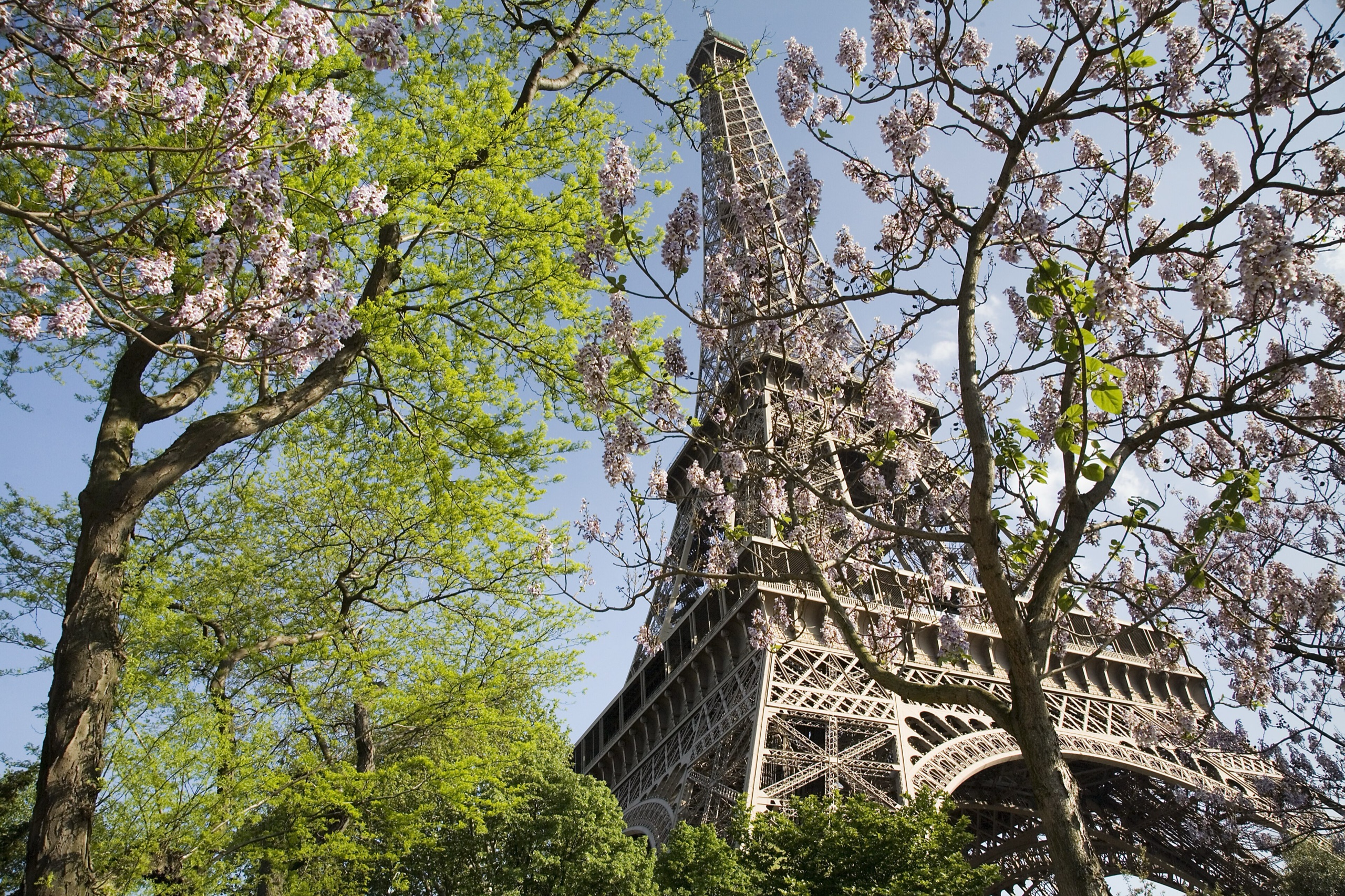
Paris, the “City of Light,” is synonymous with art, food and romance along the Seine.
See guide →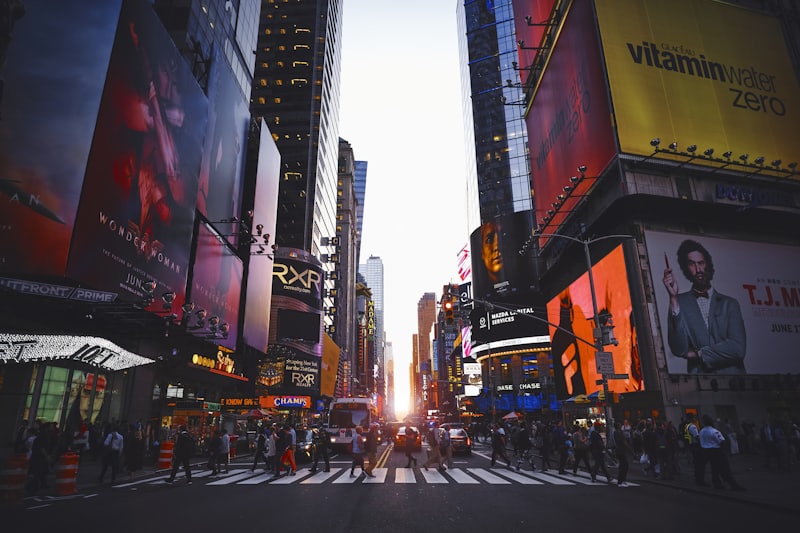
New York is an iconic metropolis of skyscrapers, world-class museums and neighborhoods full of character.
See guide →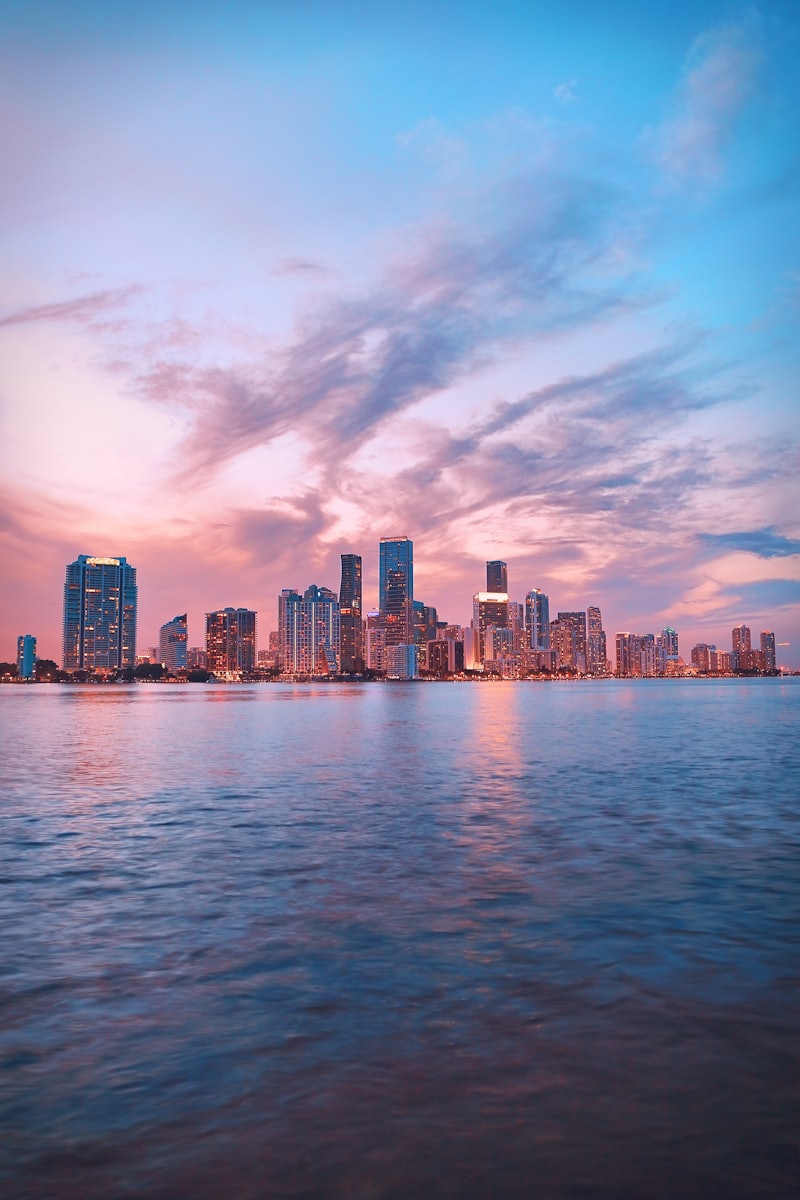
Miami mixes beaches, Art Deco, Latin culture and one of the liveliest food and nightlife scenes in the US.
See guide →Plan your next trip with Volar’s travel guides
Our travel guides cover what matters for each destination: the best time to visit, how much it costs, how to get around, the best neighborhoods and what to do once you arrive. They’re built to help you decide where to go and, once you’re sure, find cheap flights by comparing hundreds of airlines and agencies in one place.
We cover the most-searched destinations from Latin America — Cancún, Mexico City, Guadalajara, Cartagena, Medellín, Buenos Aires, Madrid, Paris, New York and many more — with up-to-date, honest information. Pick a city to see its full guide and the cheapest flights from your home city.